

 Projects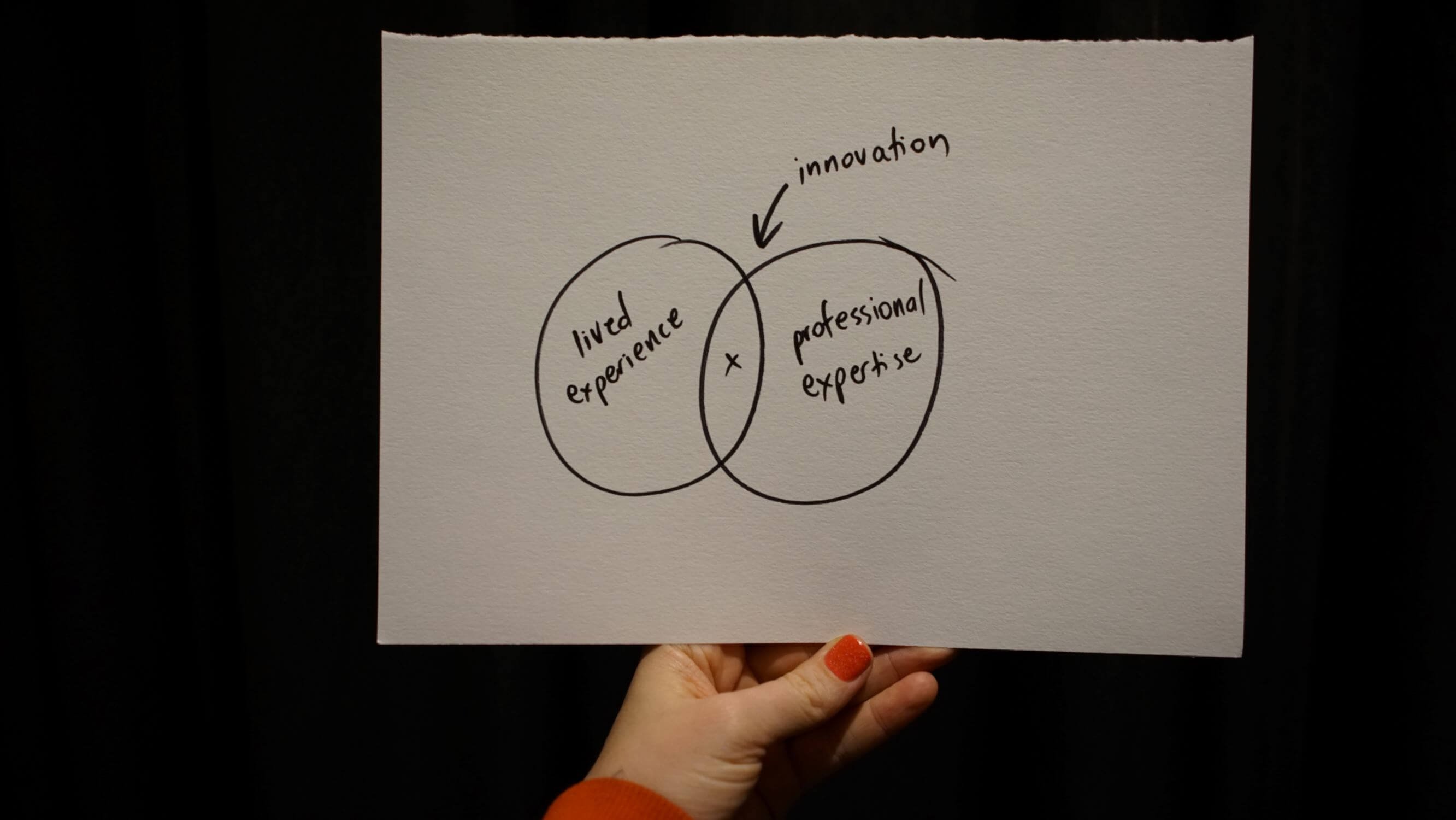
Informing the commissioning of mental health services in Brisbane South
Understanding Workplace Bullying
Understanding Workplace Bullying
Understanding Workplace Bullying
Understanding Workplace Bullying
Organisation: TACSI
Role: Design Reasearcher, Co-design facilitator
Key tasks: Co-design, Facilitation, Video Production, Interviewing
Organisation: TACSI
Role: Design Reasearcher, Workshop Co-Ordinator
CLIENT: Brisbane South PHN
What was the project?
My team at TACSI was engaged by Brisbane South PHN to help inform the re-commissioning of mental health services in their region. Our team used a rigorous co-deisgn methodology to arrive at a set of robust, evidence-based recommendations and designs.
The problem?
Brisbane South PHN had identified several priority groups in their region to be 'falling through the gaps' in service provision. Our task was twofold:
- to build a more accurate picture of the gaps in mental health services in the region by conducting rigorous research face to face with people in the community
- to co-design solutions (strategies, models, principles) which could be absorbed by the Brisbane South PHN commissioning team and put to market in the next round of commissioning
What we delivered
Led by our co-design group, and through rigorous testing with community, we delivered:
- a report of practical (and evidence-based) strategies, prioritised for implementation
- two videos to communicate findings with internal staff and allied health professionals
- one video to communicate findings back to the community via social media
- a number of visual tools, models, maps and aids to help the client put the findings into action
What actually happened
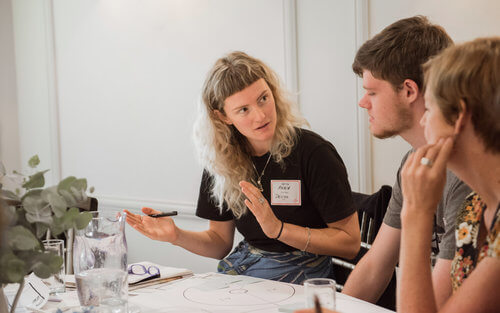
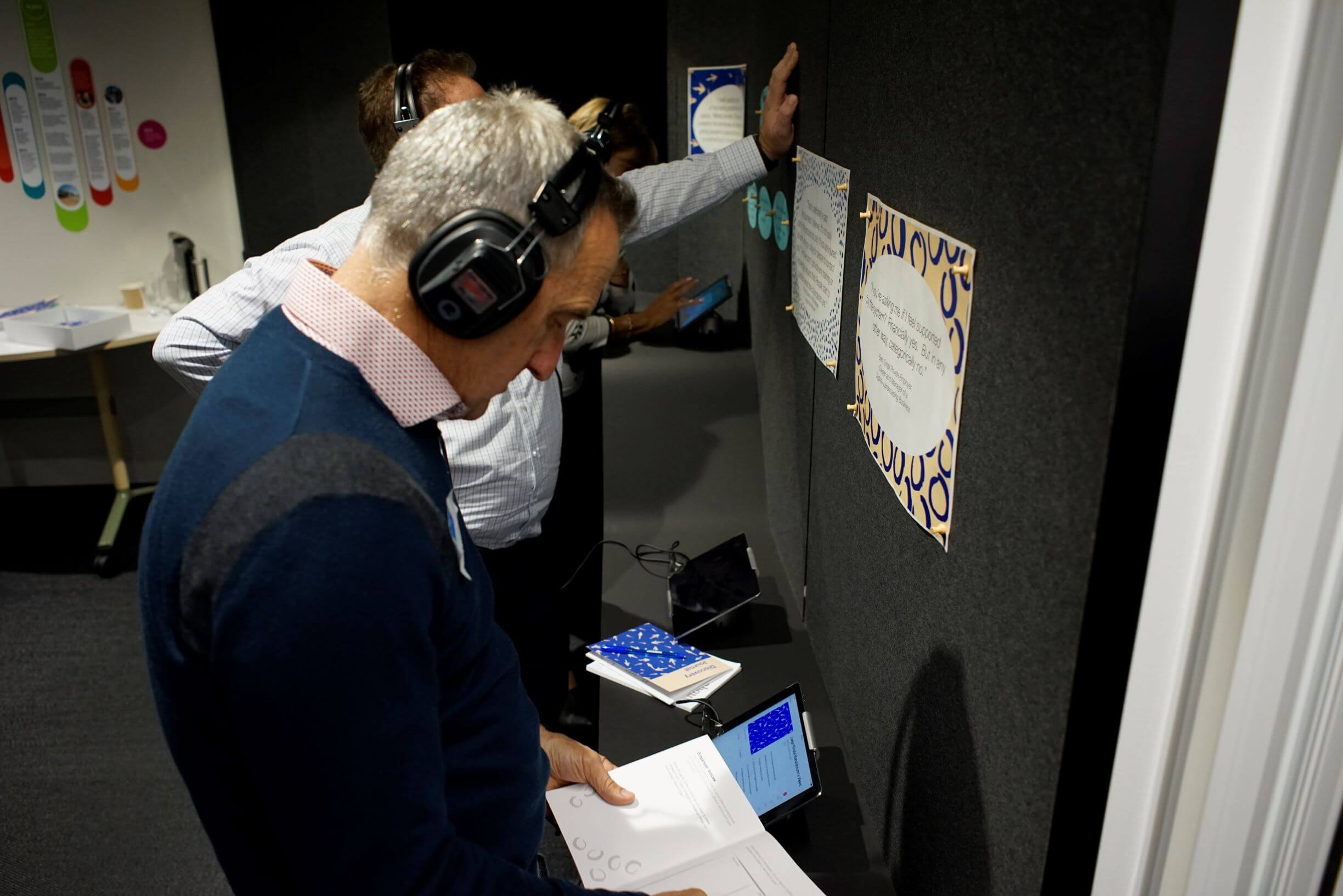
We did this by engaging with people representing all stakeholder group involved in service delivery: consumers of services, community social workers, service providers, GPs/allied health professionals and the PHN team. Our role was to facilitate these people (as subject matter experts and lived experience experts) to design solutions that were relevant, practical, possible and necessary.
Client feedback on the project
"Quote lsdfjnasdjfnlasjdnf liajsndfijabsdiagjb asidjfglasjdf lasjdfljsb dlfhjbsldkjbflsd ljsdnflkjsndlfjbsildbfisubfi slidhbflisahbdf lsihdbfl lsadhjf lasjhdf lasjhdf lajshdf blsihdbf lisDH FALSDH LFJAS DFLJSHDF Lh ljH LJH lh aljsd fljd nl " - Leanne D, CEO, Brisbane Sout PHN
Currently 37% of children in the OOHC system are Aborginal, despite only making up 2% of the population. A core feature of this project includes building an Aboriginal co-design team of parents, young people and professionals with lived experience who will work alongside Marrin Weejali, TACSI, and MacKillop Family Services to develop, test and implement the model.
The expectation is that this model will be developed for Aboriginal people by Aboriginal people, and community gains new practice in program design to develop more effective solutions with autonomy in the future.
xxx QUOTE: "This co-design process was such a good experience for our team; TACSI were really able to reach solutions we never would have reached without this input from our community."
- Brisbane South PHN
Description: The research was undertaken over several months, and required consistent feedback from the community.

In order to ensure our research findings could be easily communicated across the sector, we commissioned Story Boxes to capture the key messages in sharable videos.
Selected Work
Curriculum Design for TAFE NSWProject type

VWT Break through experience designProject type

BSPHN OPHWS Launch eventProject type
Live Urban Nature MuseumCase Study
© Anna Langdon Studio 2022